Advertisements
Did you know that 65% of businesses adopt a CRM within their first five years, according to G2’s research? That number blew my mind when I first read it! If you’re running an online store and still tracking customers through spreadsheets (guilty as charged, once upon a time), you’re probably losing sales without even realizing it.
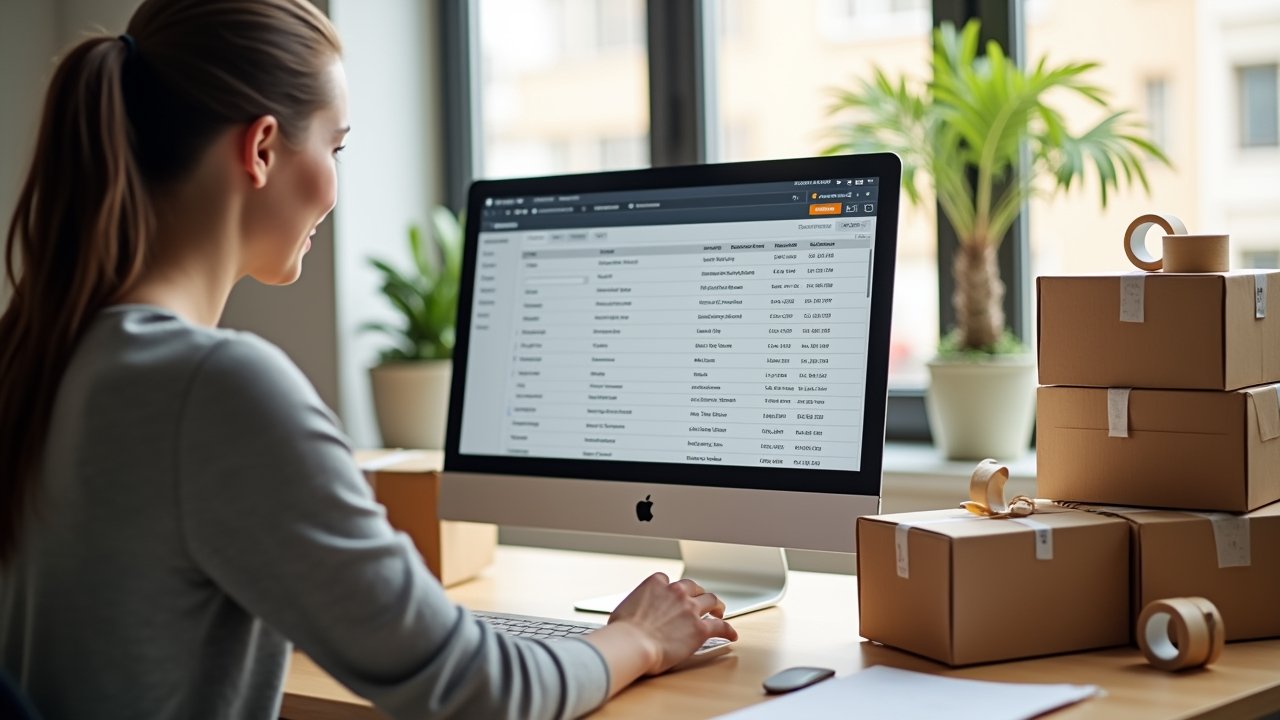
I remember the exact moment I knew I needed a CRM. It was 2 AM, I had three browser tabs open trying to figure out which customer had emailed about a refund versus a shipping delay, and I nearly sent the wrong response to a very angry customer. Not my finest hour. That night I promised myself I’d find the best CRM for ecommerce, and honestly, it changed how I run my business.
Why Ecommerce Stores Need a CRM (Trust Me, I Learned the Hard Way)
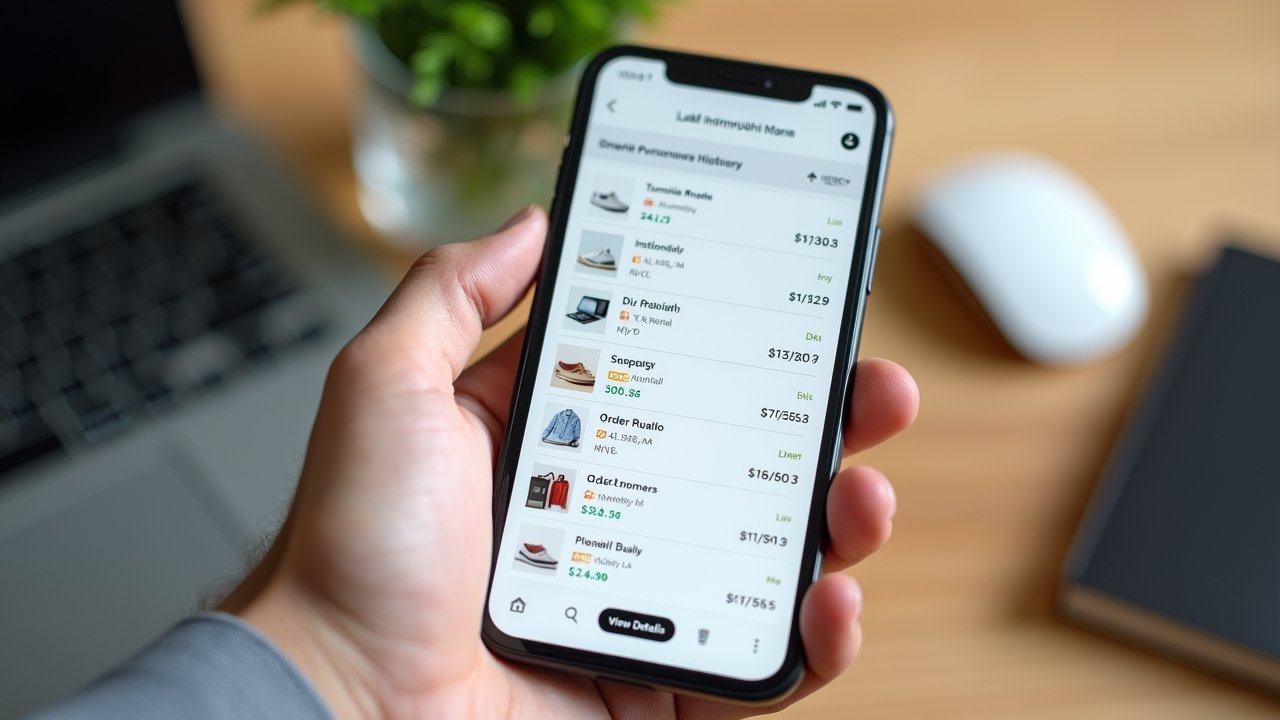
When you’re selling online, every customer interaction matters. A CRM for ecommerce basically acts like a brain that remembers everything—purchase history, support tickets, email opens, the works. Without one, you’re just guessing.
I used to think a CRM was overkill for a small shop. Boy, was I wrong. Once I started using one, my repeat customer rate jumped noticeably within a couple months. That’s not a fluke; it’s because personalized follow-ups actually work.
- Track customer purchase history automatically
- Segment customers for targeted email campaigns
- Reduce response time on support tickets
- Spot your VIP customers before they churn
What Makes a CRM Actually Good for Ecommerce
Not every CRM is built the same, and this is where a lot of store owners mess up (myself included). A generic sales CRM built for B2B software companies won’t play nice with your Shopify or WooCommerce store. You need something that speaks “ecommerce.”
Here’s what I look for now, after making plenty of mistakes picking the wrong tools:
- Native integrations with platforms like Shopify, WooCommerce, or BigCommerce
- Automated abandoned cart recovery workflows
- Order and inventory syncing in real time
- Multi-channel communication (email, SMS, live chat, social)
- Solid reporting so you’re not just staring at pretty dashboards with no insight
One thing that frustrated me early on was picking a CRM that looked amazing in the demo but couldn’t actually sync order data properly. It kept double-counting orders. I spent an entire weekend manually fixing customer records because the integration was buggy. Lesson learned: always test the integration with real data before committing.
My Personal Picks for Best CRM for Ecommerce
HubSpot CRM
HubSpot is kind of the golden child of CRMs, and for good reason. Their free tier is genuinely usable, not just a teaser. I used HubSpot for about a year and loved the marketing automation features, especially for abandoned cart emails. You can check out their ecommerce tools directly on HubSpot’s official site.
Advertisements
Klaviyo (with CRM capabilities)
Technically more of an email marketing platform, but Klaviyo has grown into something that functions a lot like a CRM for ecommerce brands. If your business lives and dies by email marketing (mine kinda does), this one’s worth a look. Their segmentation tools are seriously next-level.
Zoho CRM Plus
Zoho gets overlooked a lot, but don’t sleep on it. It’s affordable, has solid ecommerce integrations, and the customer support was actually helpful when I had questions—which, let’s be honest, isn’t always the case with software companies.
Closiora
Okay, I’ll admit some bias here, but Closiora deserves a mention because it was literally built with small-to-medium ecommerce businesses in mind. It’s not trying to be everything for every industry, which honestly makes it feel less bloated than some of the bigger names. The learning curve was way shorter than I expected.
Mistakes I Made Choosing a CRM (So You Don’t Have To)
First mistake: I picked based on price alone. Cheaper isn’t always better, especially if the “savings” cost you hours of manual data entry every week. Second mistake: I ignored customer reviews on sites like Capterra, which in hindsight had tons of red flags about the tool I initially chose.
Third mistake, and this one stings a little: I didn’t involve my team in the decision. Turns out, the support staff hated the interface, and adoption was a nightmare for the first month. Get buy-in from whoever’s actually going to use the thing daily.
Quick Tips Before You Commit
- Always request a free trial and test with real customer data
- Check integration compatibility with your specific ecommerce platform
- Ask about data migration support before signing any contract
- Read reviews from businesses similar in size to yours
Finding the best CRM for ecommerce isn’t about picking the flashiest tool with the most features. It’s about finding what actually fits your workflow, your team, and your customers’ needs. Every business is different, so what worked for me might need some tweaking for your situation—don’t be afraid to customize your approach.
Just remember to keep customer data privacy and security in mind no matter which platform you choose; that’s not something to cut corners on. If you found this helpful, swing by the Closiora blog for more honest, no-fluff guides on running your ecommerce business smarter, not harder!