CRM vs ERP: The Mix-Up That Cost Me a Client (And What I Learned)
Advertisements
Okay, real talk: did you know that businesses using the wrong combination of CRM and ERP software waste an average of 20+ hours a week on redundant data entry? I read that stat a while back and just about spit out my coffee, because I’ve LIVED that nightmare!
A few years ago, I was helping a friend set up systems for her small business. I confidently told her, “Oh, you just need a CRM, that’ll handle everything.” Big mistake. Huge. Three months later she’s calling me frustrated because her inventory numbers are a mess and her accounting team is drowning in spreadsheets. Turns out, she needed an ERP too, and I straight up didn’t know the difference well enough to guide her properly.
So let’s break this down together, friend to friend, so you don’t make the same rookie error I did.
What Even Is a CRM, Anyway?
CRM stands for Customer Relationship Management. Think of it as your business’s memory bank for everything related to customers and prospects.
- It tracks emails, calls, and meetings with leads
- It stores customer purchase history
- It helps sales teams follow up at the right time
- It manages marketing campaigns and customer segments
Tools like Salesforce or HubSpot are classic CRM examples. Honestly, if your business lives and dies by sales relationships, a CRM is non-negotiable. I’ve used a few different ones over the years, and let me tell you, the difference between a good CRM and a clunky one is night and day. My first CRM experience was with a system so outdated it felt like using a fax machine in 2024. Painful.
Now, What’s an ERP Doing in This Conversation?
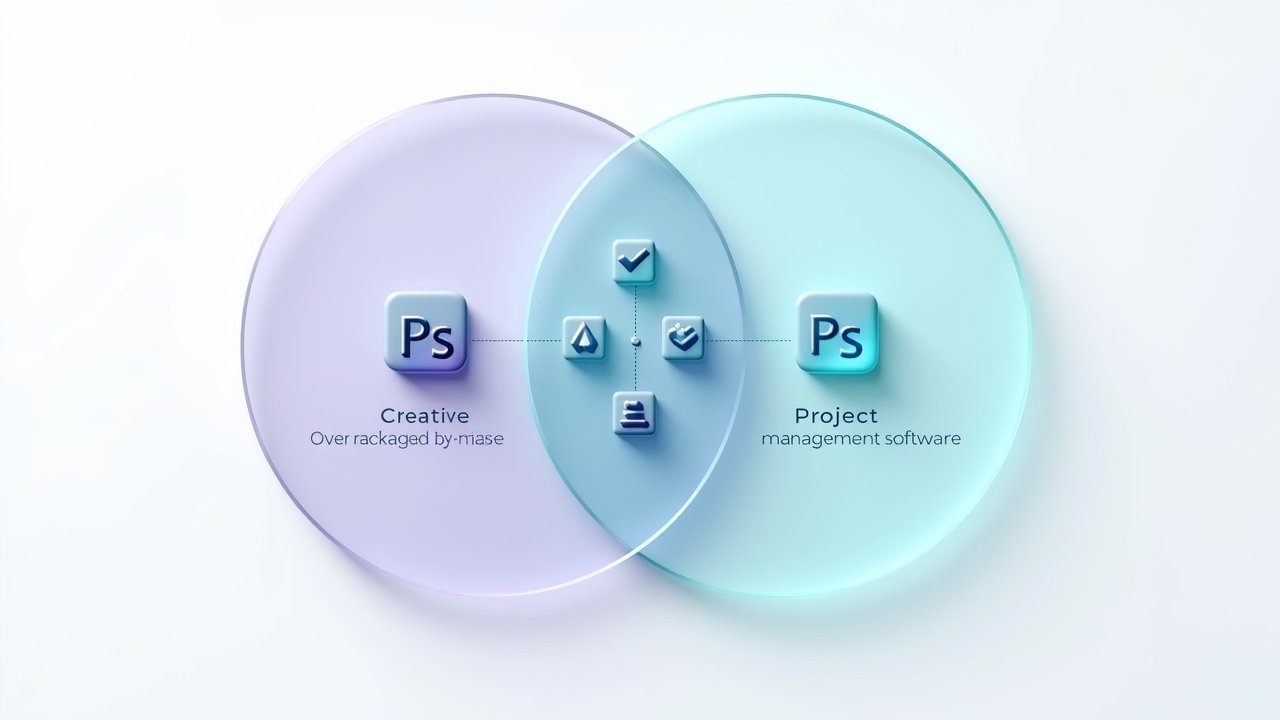
ERP means Enterprise Resource Planning, and it’s a whole different beast. While CRM focuses outward on customers, ERP looks inward at your entire operation.
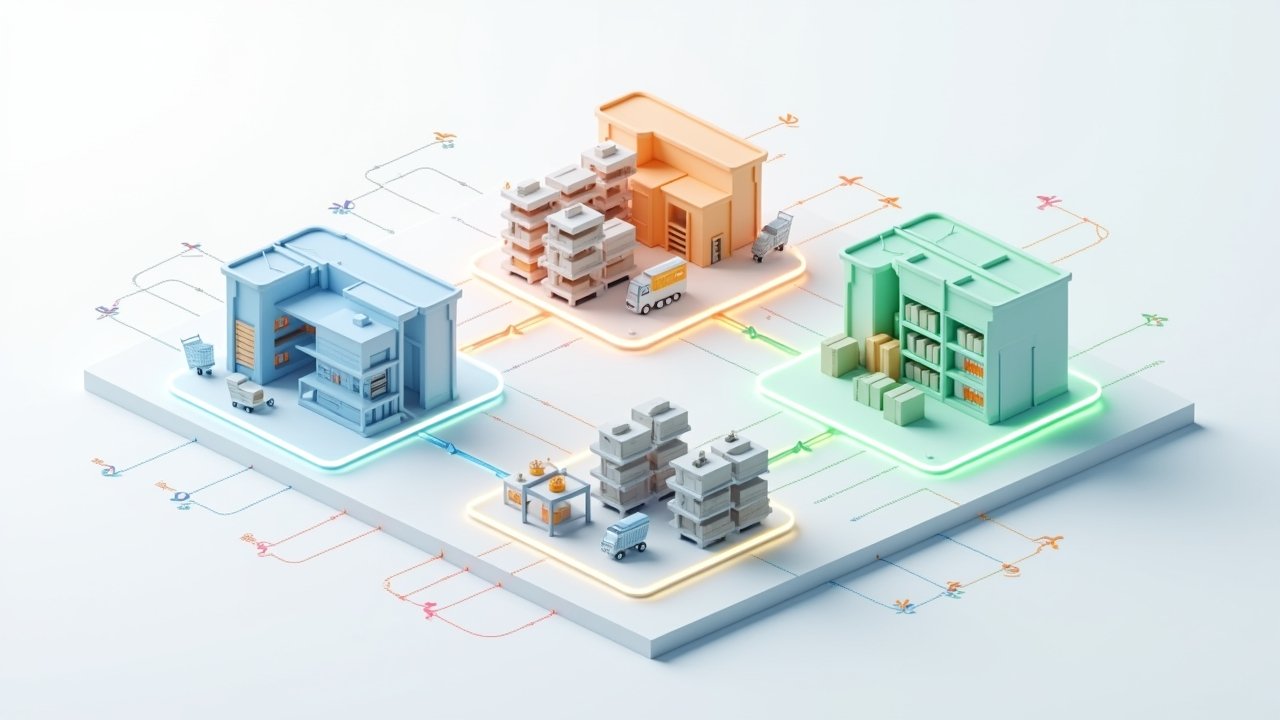
- It manages inventory and supply chain
- It handles accounting and financial reporting
- It coordinates human resources functions
- It streamlines manufacturing or production processes
Systems like SAP or NetSuite fall into this category. Basically, ERP is the backbone that keeps your business running smoothly behind the scenes. It’s less flashy than CRM, sure, but without it, things fall apart fast.
The Core Difference (In Plain English)
Here’s the simplest way I explain it to people now, after learning the hard way. CRM is customer-facing; ERP is operations-facing. One’s about relationships, the other’s about resources.
Advertisements
Think of CRM as the friendly face at the front desk who remembers your name and your coffee order. ERP is more like the entire kitchen staff, inventory system, and payroll department working together behind that counter. You genuinely need both to run a full-service operation, but they solve totally different problems.
A Quick Analogy That Actually Helped Me
Imagine running a restaurant. Your CRM is the reservation book and waiter notes about regular customers’ preferences. Your ERP is the system tracking food costs, staff schedules, and supply orders. Mixing these up would be like asking your waiter to manage the walk-in freezer inventory. It just doesn’t work that way, ya know?
Do You Actually Need Both?
Honestly? It depends on your business size and complexity. Small businesses or solopreneurs might get by with just a CRM for a while. But as you scale, especially if you’re dealing with inventory, multiple departments, or complex financials, an ERP becomes essential.
Some platforms now offer integrated solutions combining both functions, which is pretty neat if you ask me. I’ve seen businesses save massive headaches by choosing systems that talk to each other instead of existing in silos. According to Gartner’s research, companies with integrated CRM and ERP systems report significantly better data accuracy and decision-making speed.
Signs You Might Need an ERP (Not Just a CRM)
- You’re manually tracking inventory in spreadsheets
- Your finance and sales teams don’t have matching numbers
- You’re scaling into multiple locations or departments
- Production or supply chain issues keep popping up
If any of these sound familiar, it’s probably time to look beyond just a CRM solution.
My Honest Take After Years of Trial and Error
Look, I’m not gonna pretend I got this right the first time. I definitely recommended the wrong tool to my friend, and it took some awkward conversations to fix. But that experience taught me something valuable: understanding your specific business needs matters way more than following generic advice.
Don’t just grab whatever software your competitor uses. Sit down, map out your actual processes, and figure out where the pain points really are. Sometimes it’s customer relationships that need work; other times it’s your internal operations that are falling apart.
Wrapping This Up (Without Getting Too Technical)
Understanding the difference between CRM and ERP isn’t just tech jargon, it genuinely affects how smoothly your business runs day to day. Getting this wrong, like I did, means wasted time, frustrated teams, and unnecessary costs.
Take some time to customize your approach based on your unique business needs rather than copying what worked for someone else. And always keep data security and employee training in mind when implementing new systems, because even the best software fails without proper buy-in from your team.
If you found this helpful, I’d genuinely encourage you to check out more practical business insights over at the Closiora blog. There’s a ton of useful stuff there that might just save you from making the same mistakes I did!