Advertisements
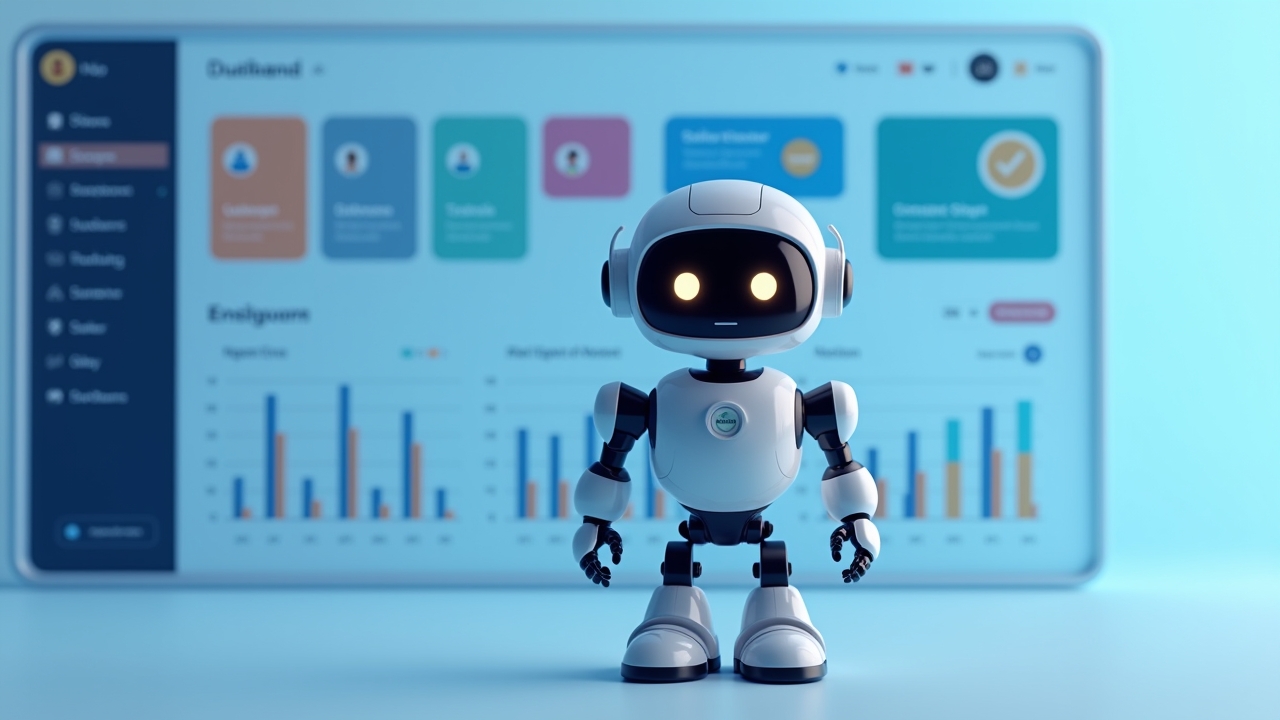
AI in CRM: The Messy, Wonderful Way It Changed How I Sell
Did you know that businesses using AI in their CRM see up to a 30% boost in sales productivity? I about fell out of my chair when I first read that number! Because honestly, for the longest time, I thought AI in CRM was just a fancy buzzword that software companies slapped on their pricing pages to justify charging more.
I was wrong. Like, really wrong. And I want to walk you through why, using some of my own face-palm moments along the way.
My First Encounter With AI in CRM (And Why I Almost Gave Up)
So a few years back, I was managing a small sales team, and we switched to a CRM that had this “smart lead scoring” feature. I ignored it for like three months. Didn’t trust it. Figured it was just some algorithm guessing randomly, ya know?
Turns out, I was leaving money on the table the whole time. Once I actually turned the feature on and let it run for a few weeks, it started flagging leads that were way more likely to convert. My gut instinct had been wrong more often than I wanted to admit.
That’s the thing about AI in customer relationship management tools—it doesn’t replace your instincts, it just backs them up with actual data patterns you’d never spot on your own.
What AI Actually Does Inside a CRM
Let me break this down simply, because a lot of articles make this sound way more complicated than it needs to be.
- Predictive lead scoring: ranks your leads based on likelihood to buy
- Automated data entry: no more manually typing in contact details (thank goodness)
- Sentiment analysis: reads customer emails and flags if someone’s getting frustrated
- Sales forecasting: predicts revenue based on historical patterns
- Chatbots and virtual assistants: handle basic customer questions 24/7
Each of these does something a human could technically do, but not nearly as fast or consistently. I mean, I once spent an entire Saturday manually scoring 200 leads by hand. Never again. Never. Again.
Advertisements
Where I Screwed Up (So You Don’t Have To)
Here’s a confession: I trusted the AI too much at first. I let it auto-schedule follow-up emails without reviewing the tone, and one went out sounding way too robotic to a client who’d just had a rough week. She called us out on it, and honestly, she was right to.
Lesson learned. AI tools in your CRM are assistants, not replacements. You still gotta review things, add that human touch, and make sure the automation isn’t making your brand sound like a soulless robot. Because it can, if you’re not careful.
According to McKinsey’s research on AI adoption, companies that blend AI efficiency with human oversight tend to outperform those who go fully automated or fully manual. That tracks with what I experienced firsthand.
Practical Tips I Wish Someone Told Me Earlier
- Start small—test one AI feature before turning on everything at once
- Always review automated messages before they go out, especially early on
- Use predictive analytics to prioritize, not to completely replace judgment
- Train your team on why the AI suggests what it suggests, not just what it says
- Check in monthly to see if the AI’s recommendations still make sense for your business
That last one matters more than people realize. Markets shift, customer behavior shifts, and an AI model trained on old data can get stale fast if nobody’s paying attention.
The Emotional Side Nobody Talks About
Can we be real for a second? There’s something a little unsettling about a machine knowing which of your customers is about to churn before you do. The first time our CRM flagged a “high-risk” account, I felt this weird mix of relief and dread. Relief because we caught it early. Dread because… man, machines are getting good at reading people.
But once we reached out to that client proactively and saved the account, that dread turned into pure triumph. We wouldn’t have caught it in time otherwise, not with our old spreadsheet-based tracking system.
Is AI in CRM Right for Every Business?
Short answer: mostly, yes, but the “how” matters a ton. A solo freelancer doesn’t need the same AI horsepower as a 50-person sales team. Scale your tools to your actual needs, not to what looks impressive in a demo.
Also worth mentioning—data privacy matters here. Make sure whatever CRM you’re using is transparent about how customer data feeds into its AI models. Your customers trust you with their information, and that trust shouldn’t be treated lightly.
Wrapping This Up (With a Nudge to Keep Learning)
AI in CRM isn’t magic, and it’s definitely not perfect. But when you use it thoughtfully, paired with genuine human judgment, it genuinely transforms how you manage relationships and close deals. I went from being a total skeptic to someone who can’t imagine going back to manual lead scoring, and that says a lot.
Just remember to customize these tools to fit your actual workflow, keep an eye on the ethical use of customer data, and don’t let automation replace authenticity. Your customers can tell the difference, trust me.
If you found this helpful, swing by the Closiora blog for more posts like this one—there’s a bunch of practical stuff over there worth checking out!